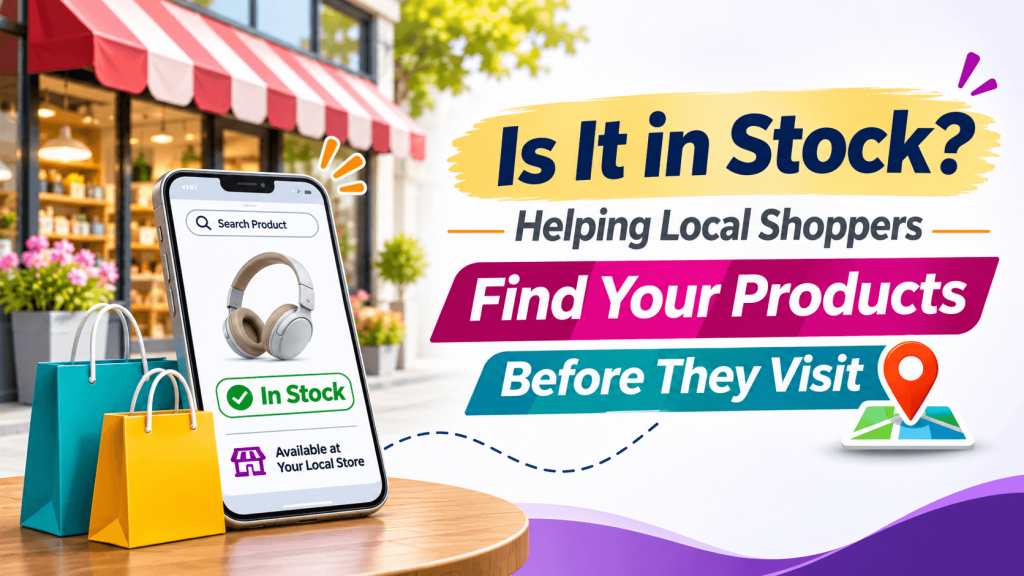
A shopper in Austin needs a specific model of trail running shoes before a race this weekend. She searches for the model plus near me and finds a big-box store an hour away. An independent running shop fifteen minutes from her house has the shoes on the shelf, but its website lists only store hours and a phone number.
Independent retailers often have exactly what local shoppers want. The challenge is making that visible online before customers settle for the first result they see.
Show What You Actually Carry
Many shoppers search for a product or brand rather than a store type. Your website can meet them with:
- Pages or sections for the key brands and product categories you stock
- Clear photos and short descriptions written for shoppers, not copied from manufacturers
- Notes on services, such as gait analysis, alterations, or special orders
- A simple way to ask whether an item is in stock, such as a call, text, or form
Even without full e-commerce, well-organized product pages tell shoppers they’re likely to find what they need.
Use the Tools Built for Local Retail
Google offers ways for retailers to show products in Search and Maps. Through Google Merchant Center, stores can submit product data for free product listings, and eligible retailers can share local inventory so shoppers see what’s available nearby. Some point-of-sale systems can connect inventory data, which makes keeping it current more manageable.
Your Google Business Profile matters too. Add photos of displays and new arrivals, mention the brands you carry in your description, and keep hours current, especially around holidays and sales events.
Keep Store Information Consistent Everywhere
Product visibility only helps if customers can confidently find and reach your store. Keep your name, address, phone number, and hours identical across your website, social accounts, and listings.
A general directory such as E-List Your Business can support that. Its Shopping and Sales category groups local retailers, which suits shoppers comparing nearby options and shows how other stores describe their merchandise. A common mistake is listing a shop with only a generic description, so be specific about the products and brands you carry.
Make the Shelf Visible From the Search Bar
Local shoppers can’t buy what they can’t find. Describe your products clearly, use retail tools where they fit, and keep store details consistent across your website, profiles, and listings like E-List Your Business. Results depend on your market and competition, but clear product information gives nearby customers a reason to choose you.
Frequently Asked Questions
Do I need an online store to show products in Google search?
Not necessarily. Google’s local inventory features let eligible retailers show in-store products without online checkout, though requirements and setup vary. At minimum, product and brand pages on your website help shoppers learn what you carry. Check Google Merchant Center’s current requirements to see which options fit your store.
How accurate does local inventory information need to be?
As accurate as you can keep it. Showing an item as available when it’s sold out frustrates customers who make a special trip. If you can’t update inventory often, focus on brands and categories you consistently stock, and encourage shoppers to call or message to confirm specific sizes or colors.
Should a small retailer list prices online?
Showing prices for core products can help shoppers decide whether to visit, especially when you’re competitive with big-box stores. If prices change often, list typical ranges or focus on brands and services instead. Make sure any listed prices match what customers see in the store to avoid disappointment.
What’s the best way to promote a sale locally?
Post the sale on your Google Business Profile, website, email list, and social media, with clear dates and details. Update offer information on directories where you’re listed, make sure store hours reflect any extended sale hours, and remove the promotion promptly once it ends so customers aren’t misled.

Practical advice for local business owners from the team behind E-List Your Business.